The nasal septum is the thin wall of bone and cartilage that separates the right and left sides of the inside of the nose. A septoplasty is any procedure that straightens or otherwise alters the septum. When the septum is deviated or crooked, it can obstruct airflow, cause breathing difficulties, and contribute to other nasal issues such as chronic sinus infections and snoring. It is common to perform septoplasty in conjunction with rhinoplasty (the combination is called a septorhinoplasty) because most people do have some degree of crookedness to their septum.
Correcting crooked or prominent areas of the septum can help open the nasal airway and improve nasal breathing. There can be some indirect improvement on sinus infections or snoring (although the use issues usually need to be treated directly with other procedures). In addition, cartilage from the septum is often used in rhinoplasty to improve the internal structural support of the nose. So septoplasty may be used to obtain cartilage for the rhinoplasty.
When a septoplasty was performed by itself, an incision is made on the septum inside the nose. Excess, crooked, or irregular cartilage and bone were removed, leaving good structural support to the septum. When performed with the rhinoplasty, the septum is usually approached through the rhinoplasty exposure. In some cases, additional techniques or grafts may be used to support the newly positioned septum and ensure stability. The goal is to remove any obstruction, to open the nasal airway.
This procedure is typically performed on an outpatient basis under general anesthesia. Dr. Goldman does not use nasal packing (gauze placed inside the nose after surgery). Dr. Goldman does use soft, silicone splints in most cases. These are removed 6 to 7 days after surgery in the office.
Septoplasty affects the inside of the nose and is intended to improve nasal function. It does not have significant effects on the appearance of the nose, although a subtle straightening effect may occur on the lower two thirds of the nose from septoplasty alone. If you’re interested in cosmetic changes, rhinoplasty will be needed in addition to septoplasty.
A deviated (crooked) septum can obstruct breathing from one or both sides of the nose, making the nose feel congested. This may be most noticeable when exercising or lying down. Turbulence that results from obstruction inside the nose can cause drying, which can cause nosebleeds. Septoplasty is not meant to treat chronic sinus disease, but some patients have noted that they get fewer sinus infections after septoplasty.
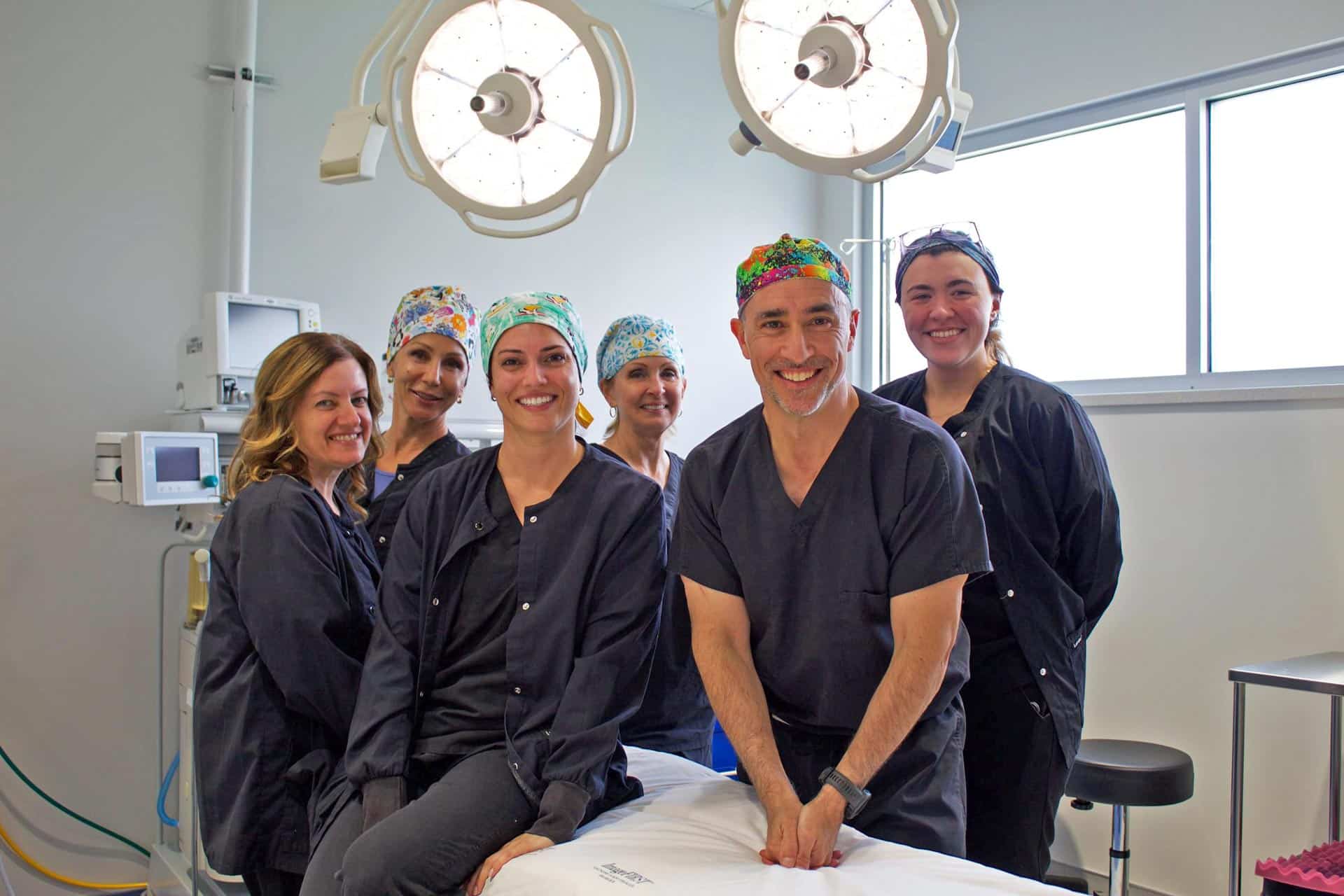
If you're struggling with breathing difficulties, recurrent infections, or have been told you have a deviated septum, septoplasty may be the solution you've been looking for. Schedule a consultation with Dr. Steven Goldman to discuss your symptoms and determine if septoplasty is the right procedure for you.